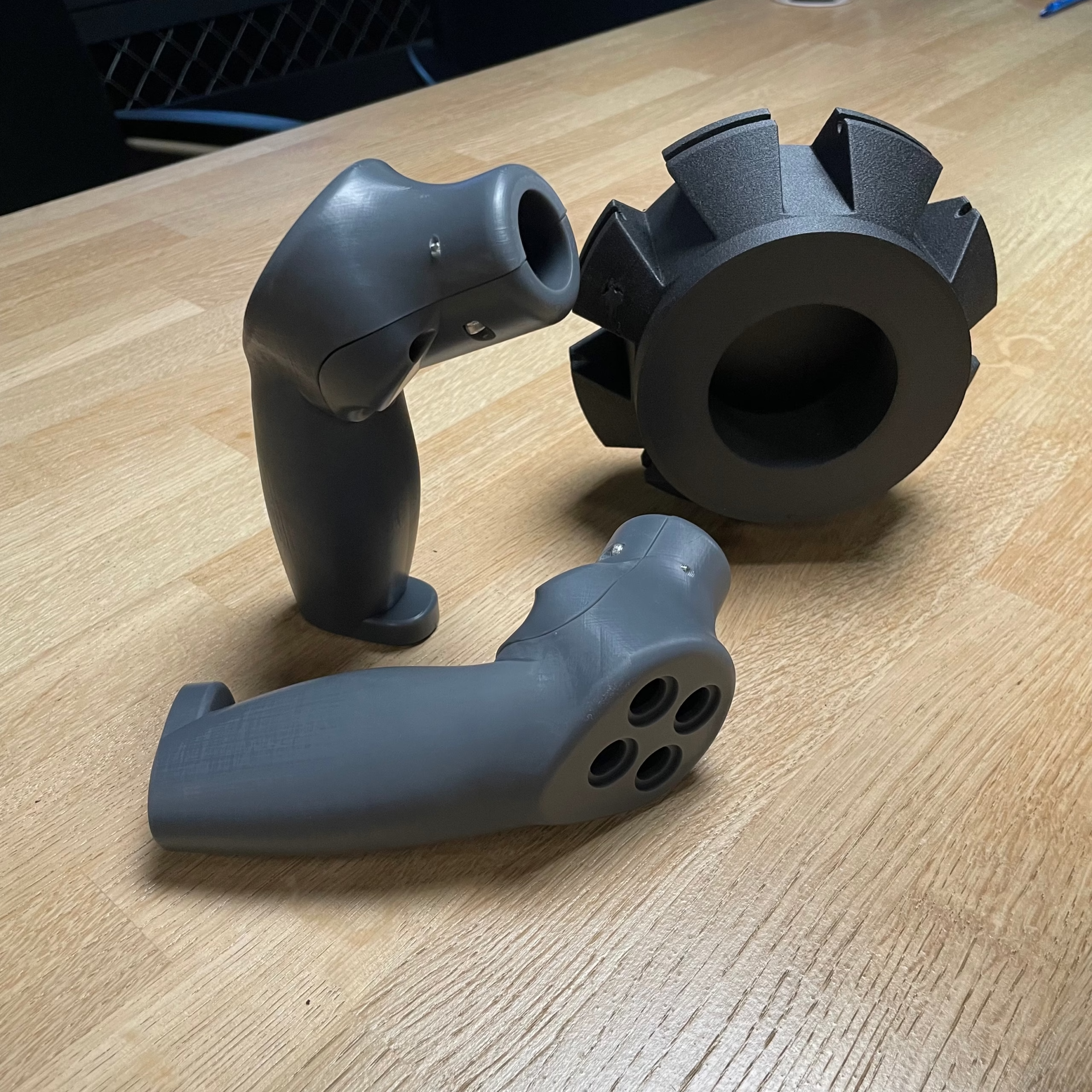
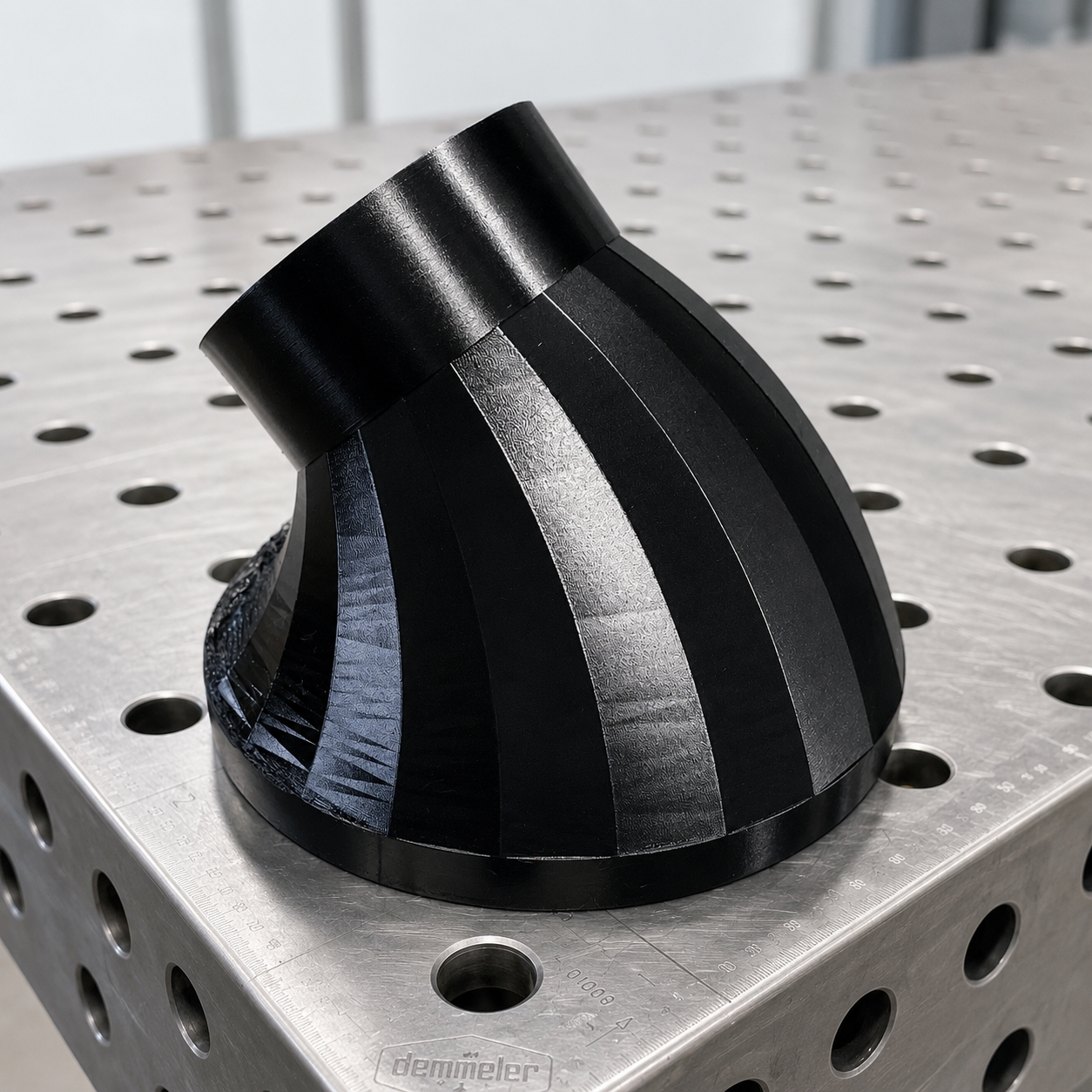
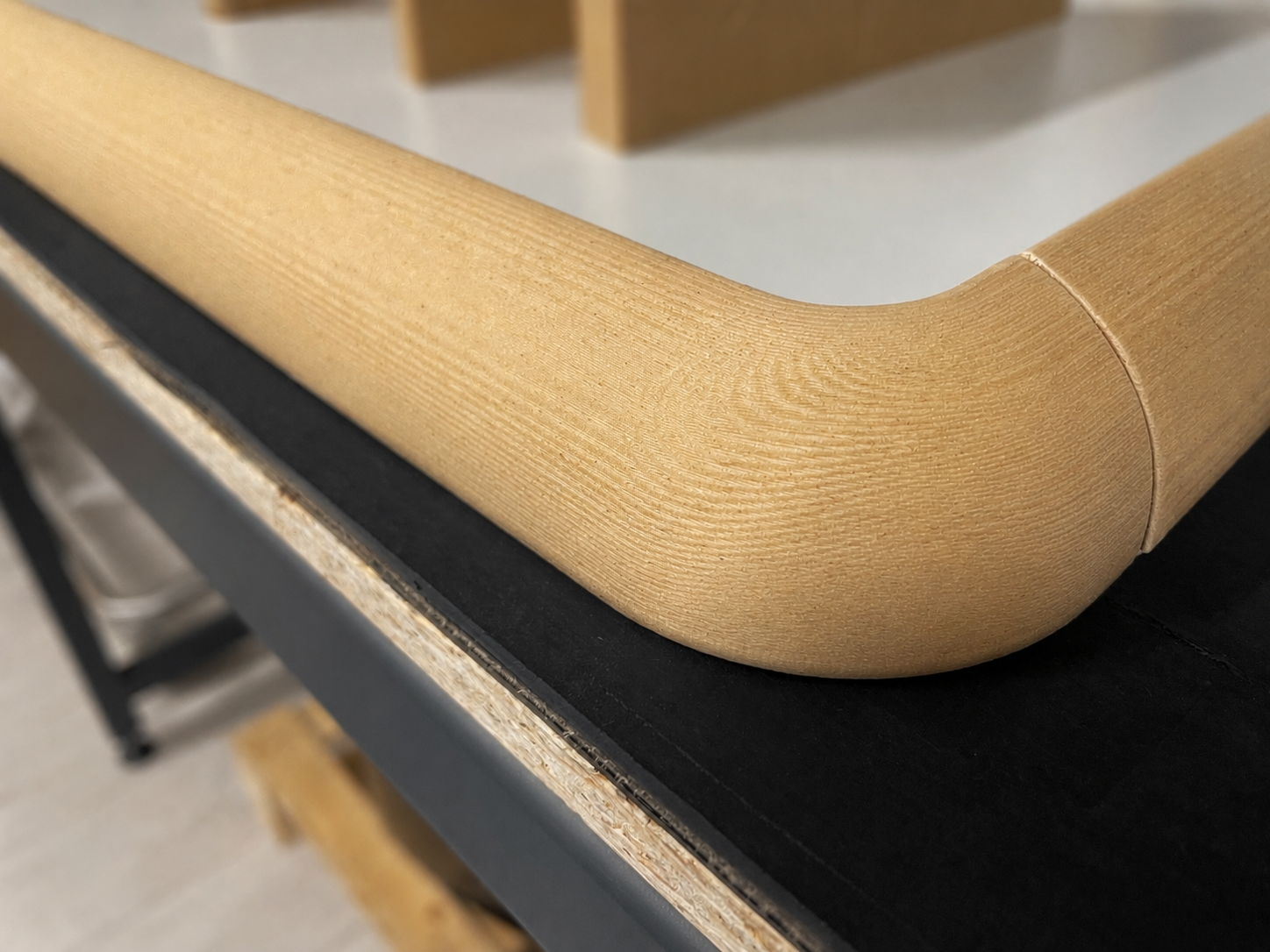
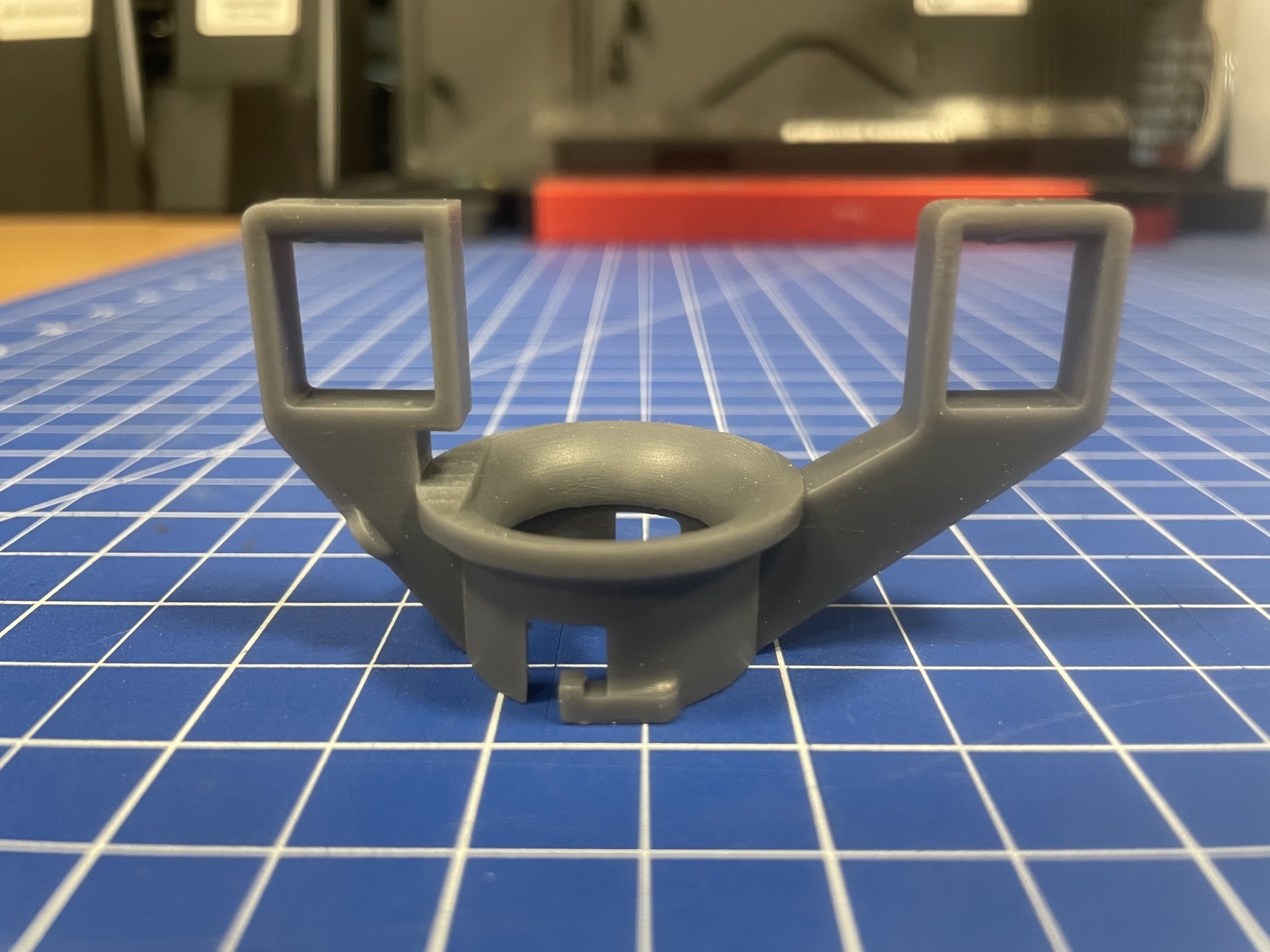
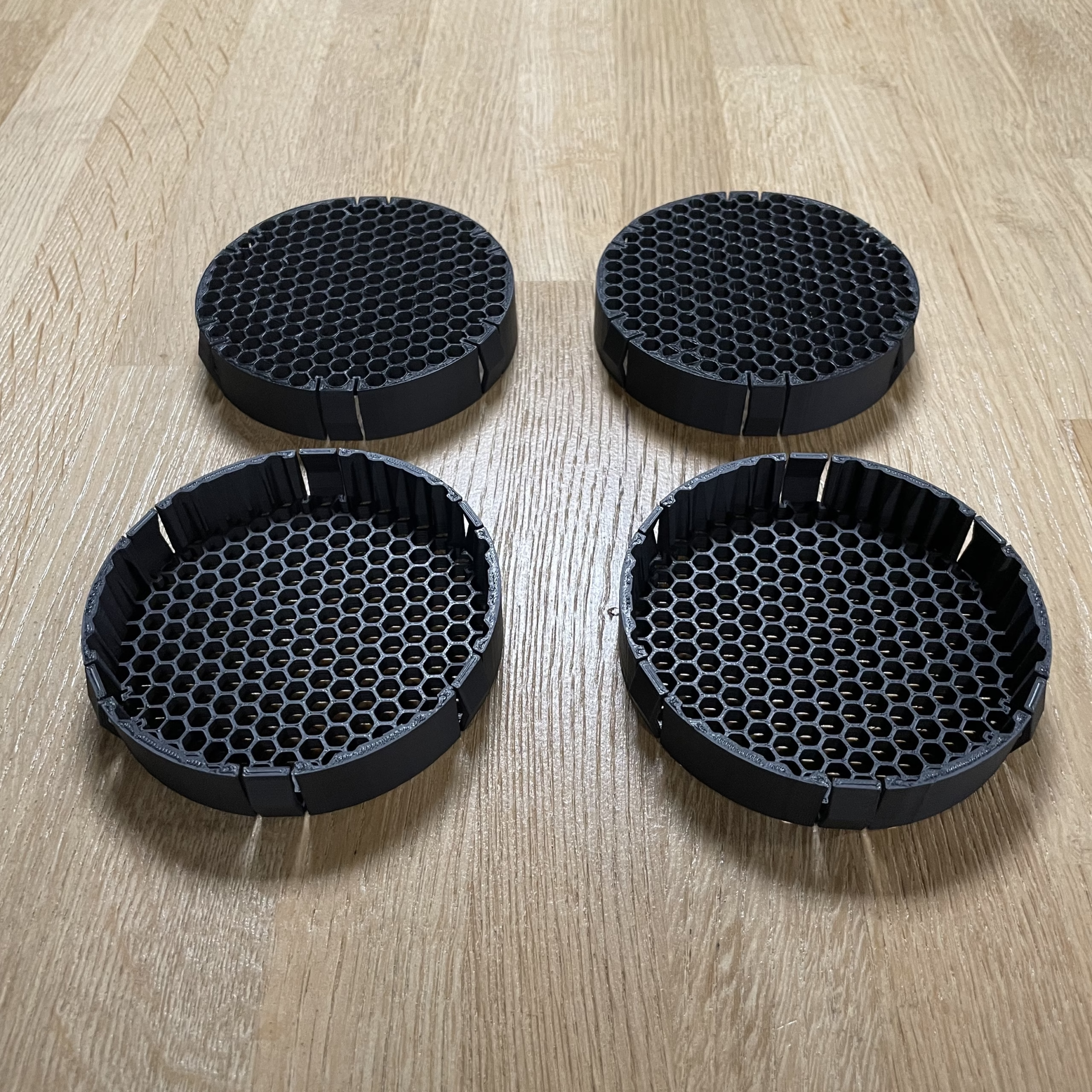
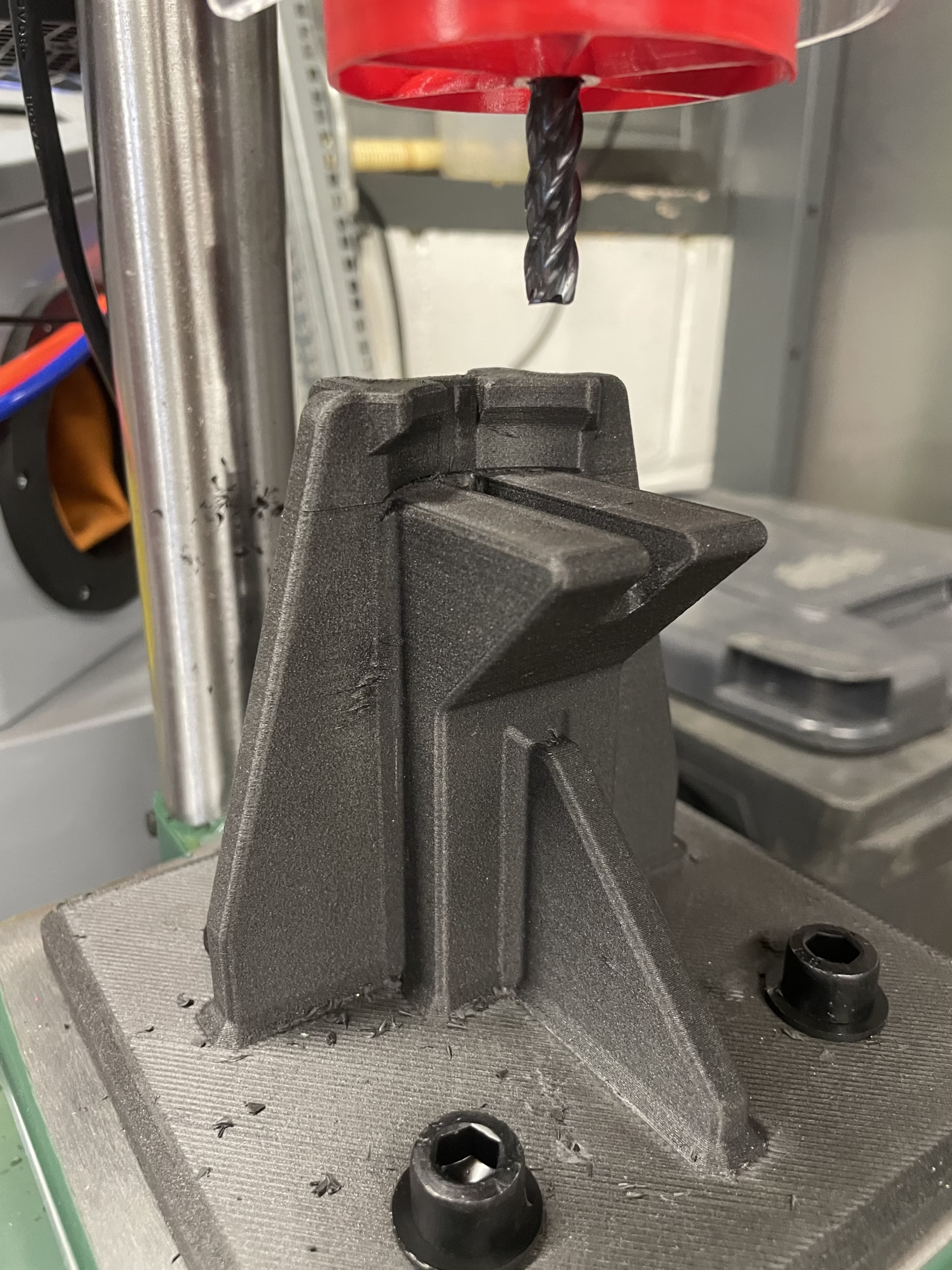
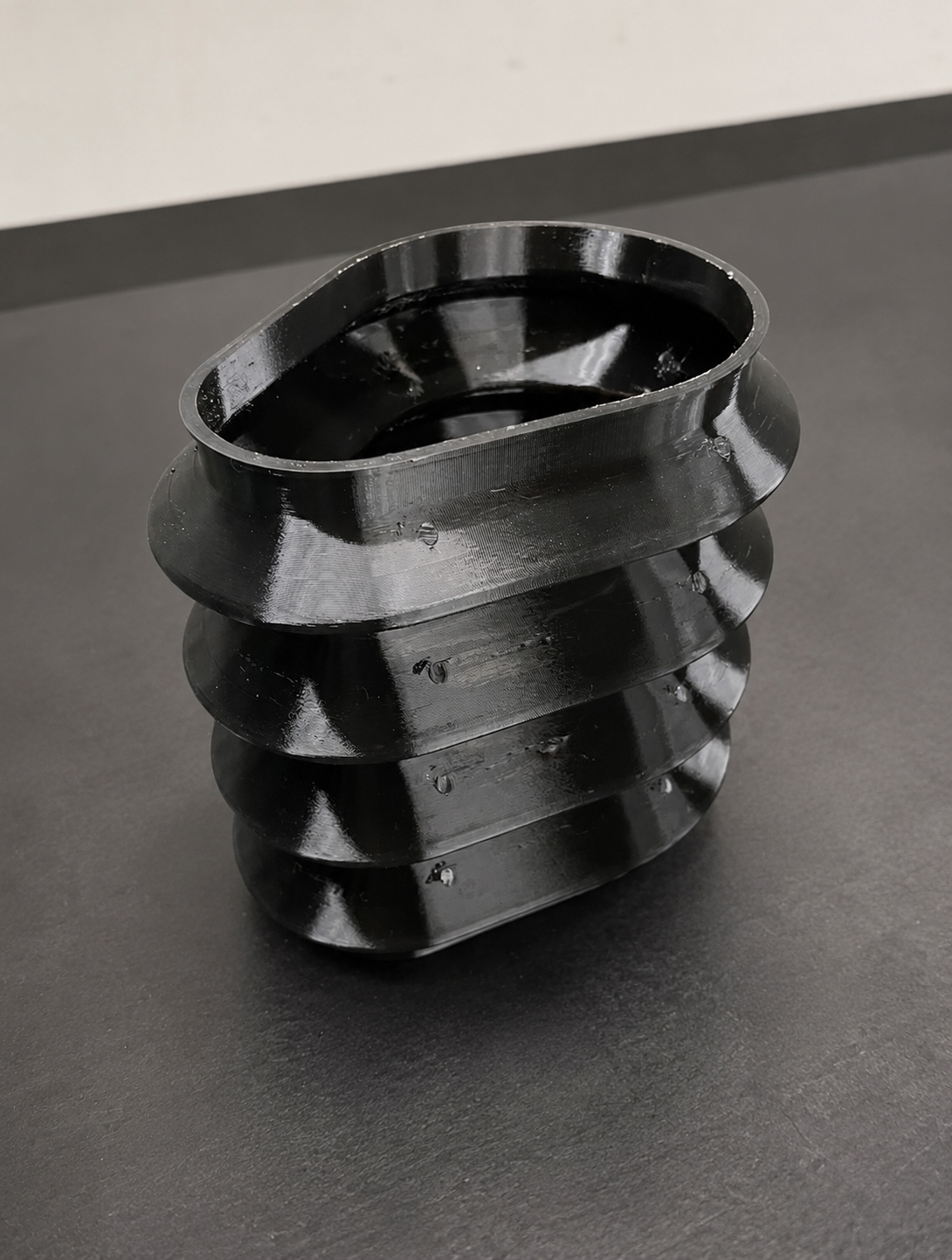
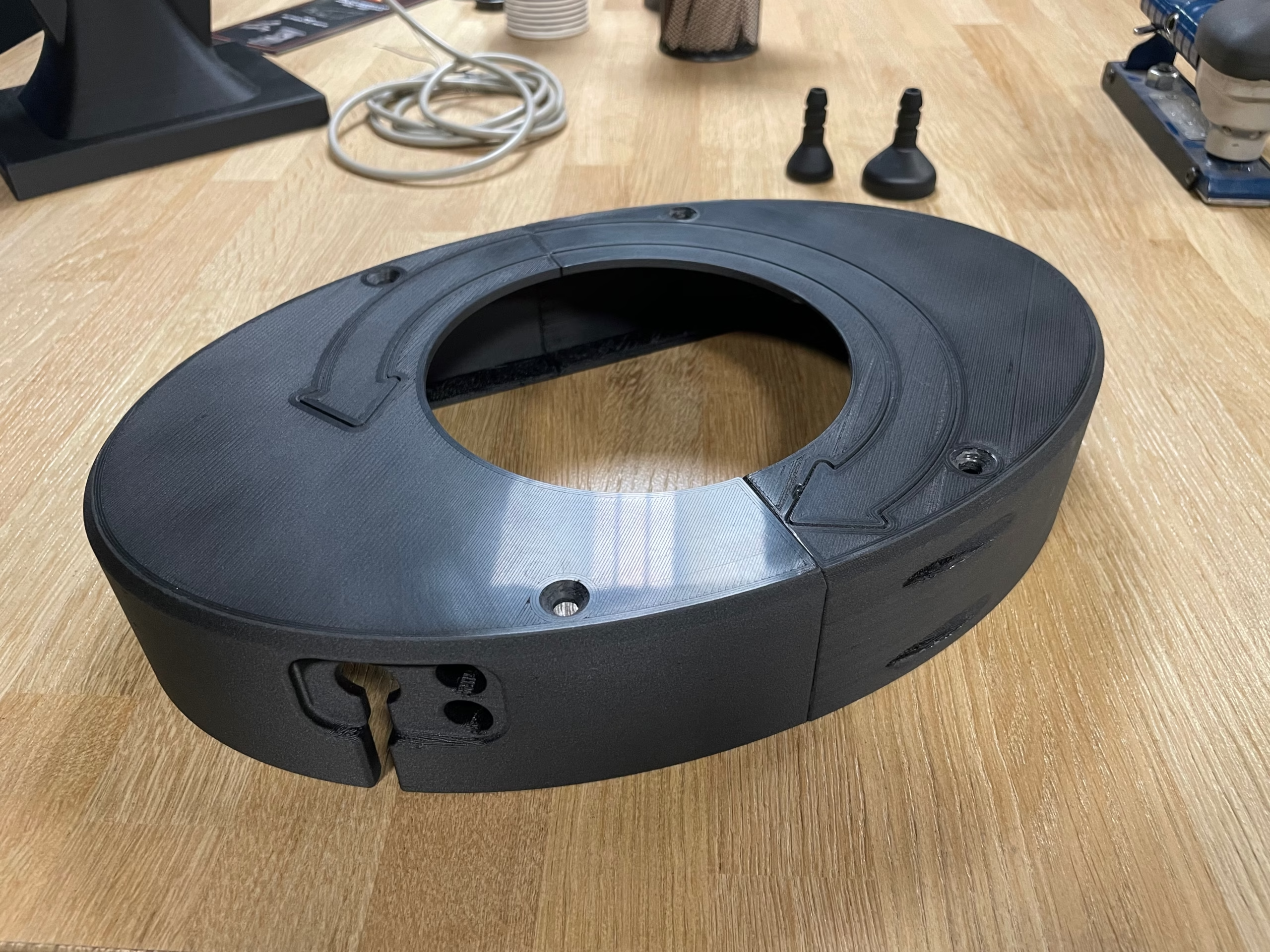
Successful 3D printing starts long before the printer begins. Components must be engineered for the selected process, whether produced in thermoplastic using FDM or in high-detail thermosetting resin using SLA.
Choosing the Right Printing Technology
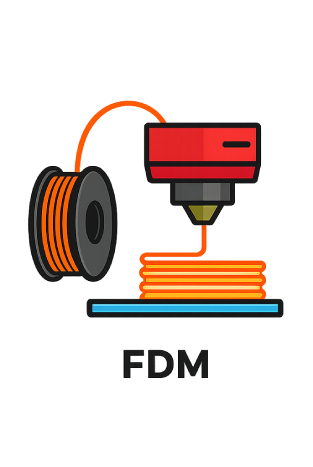
Fused Deposition Modeling (FDM/FFF)
Extrudes plastic filament layer by layer
Thermoplastics
Functional parts
Engineering prototypes
Large components
Economical
No post-processing required
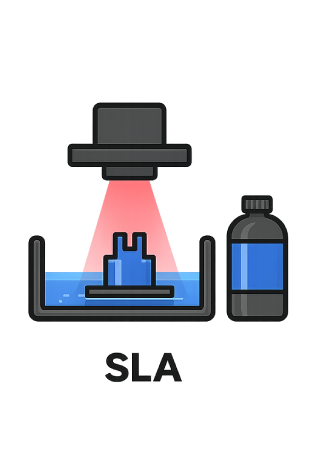
Stereolithography (SLA)
Cures liquid resin layer by layer using UV light
Thermosetting plastics
Functional parts
Precision components
Smooth surface finish
Exceptional detail and accuracy
Requires washing & UV curing
Engineering for Additive Manufacturing
Once the appropriate printing technology has been selected, components can be engineered specifically for the chosen manufacturing process. The examples below highlight just two of the many process-specific design principles.
FDM Design Example
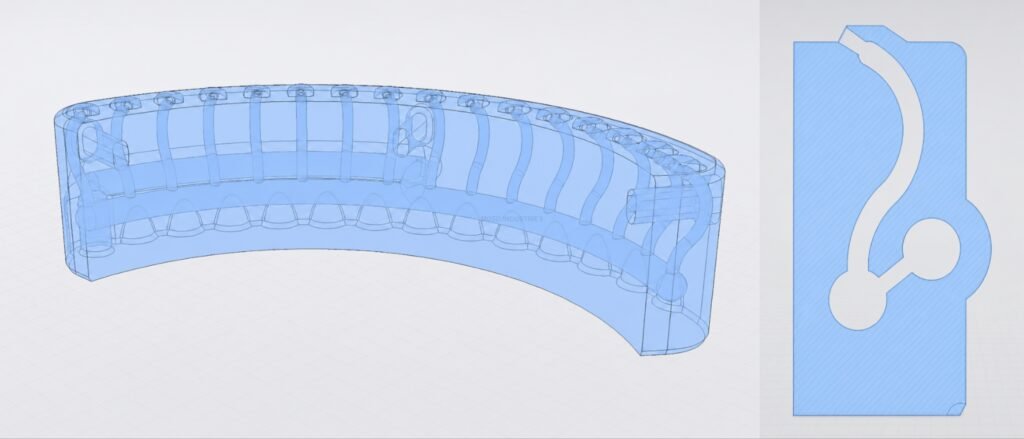
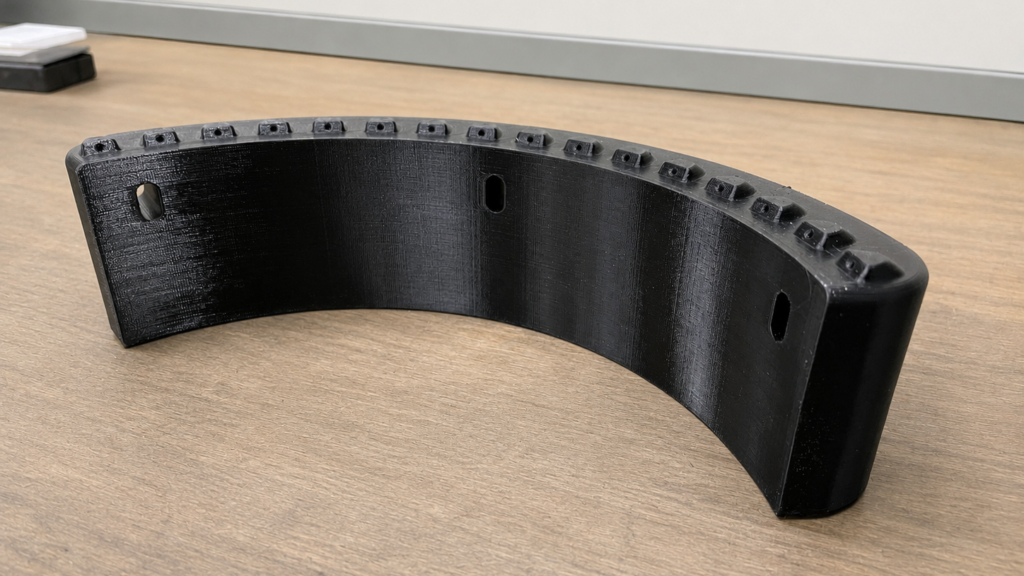
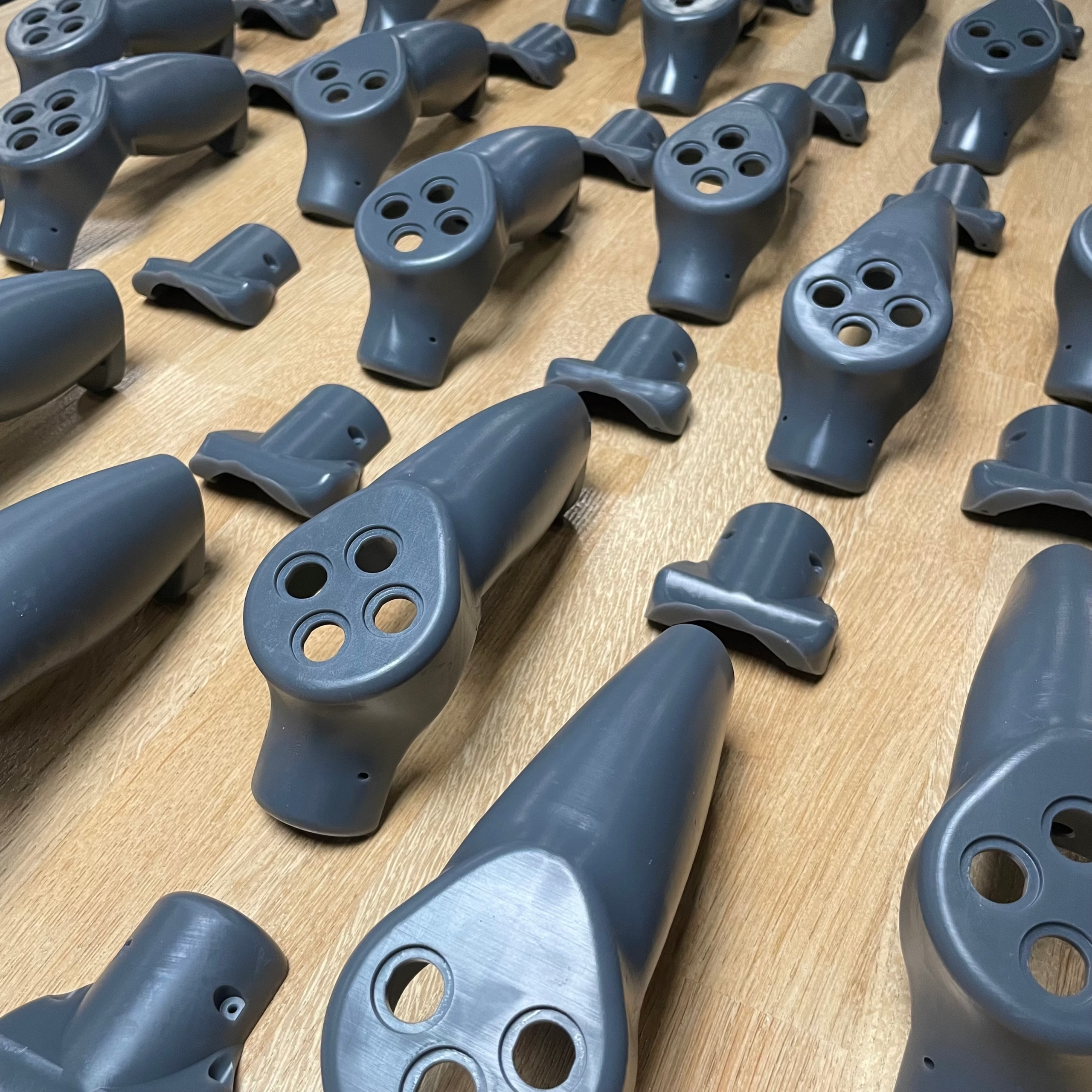
This 16-nozzle, 130-degree coolant sprayer was designed specifically for FDM printing. Self-supporting internal coolant channels eliminate the need for inaccessible internal support material.*
* Support: Temporary material printed beneath overhangs to support the part during printing. Removed after printing.
Self-supporting internal channel design
Support-free build sequence
Finished coolant sprayer
Finished coolant sprayer
SLA Design Example
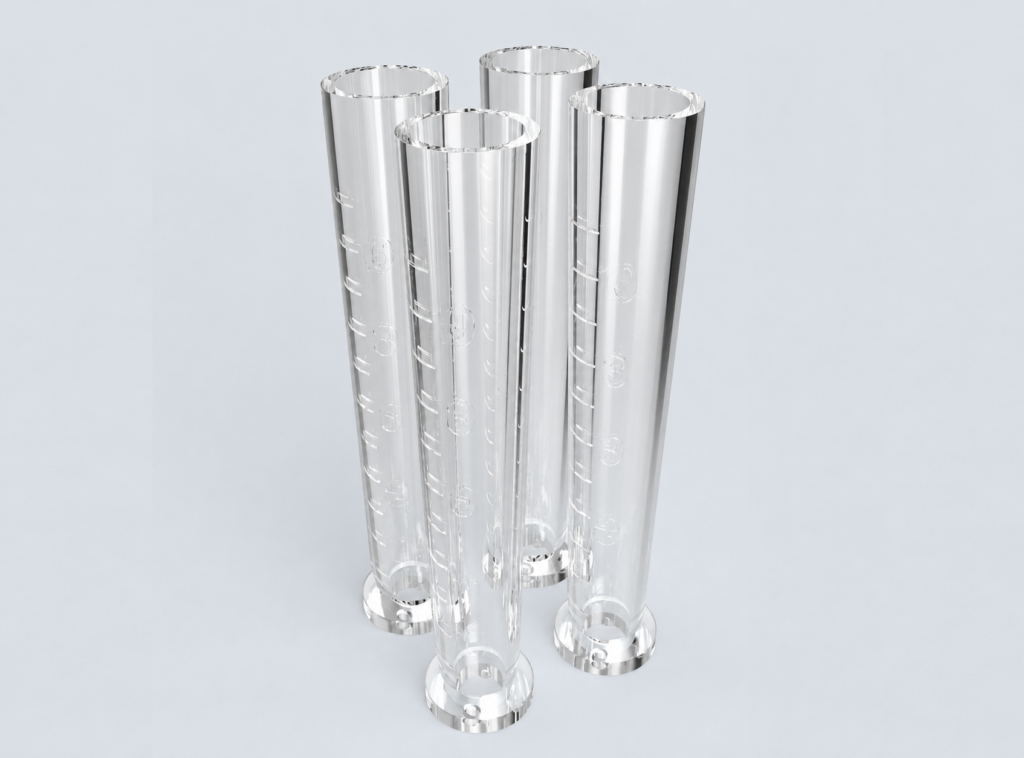
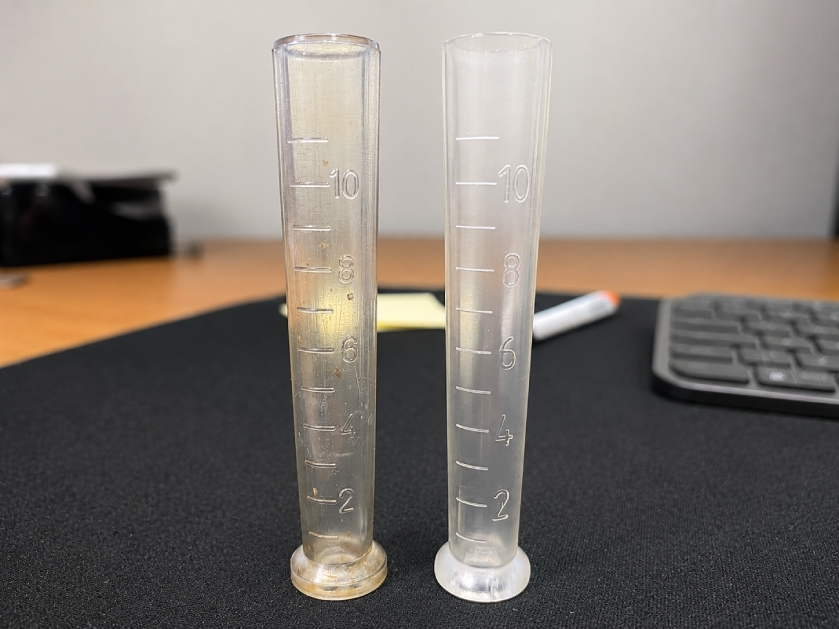
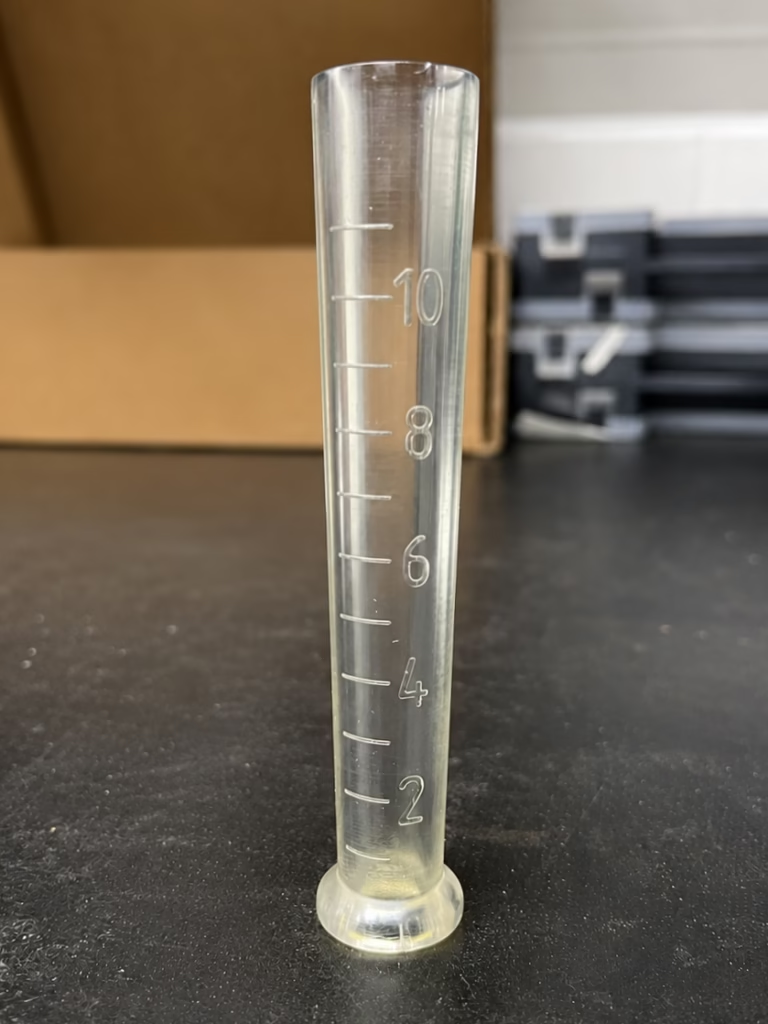
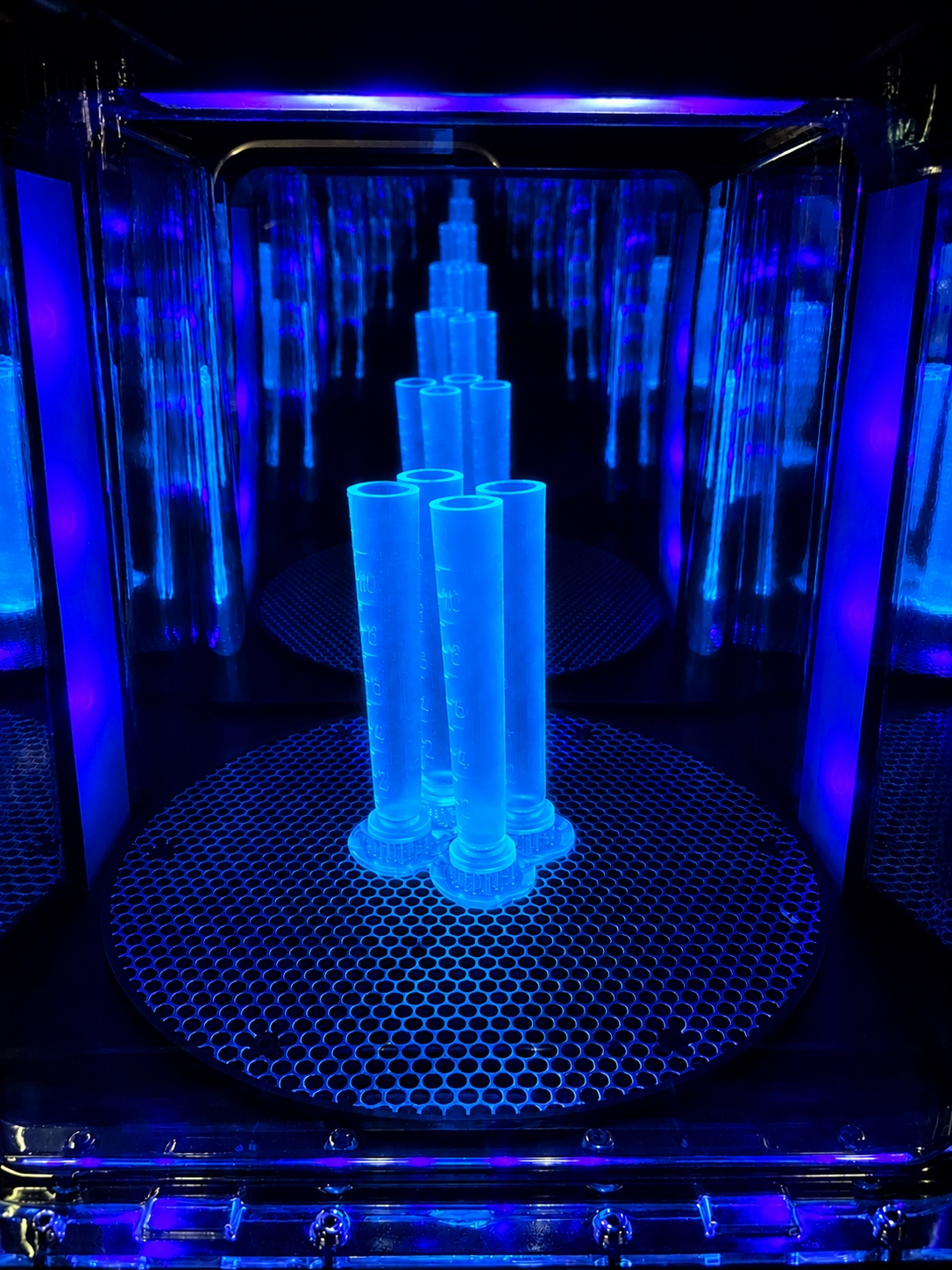
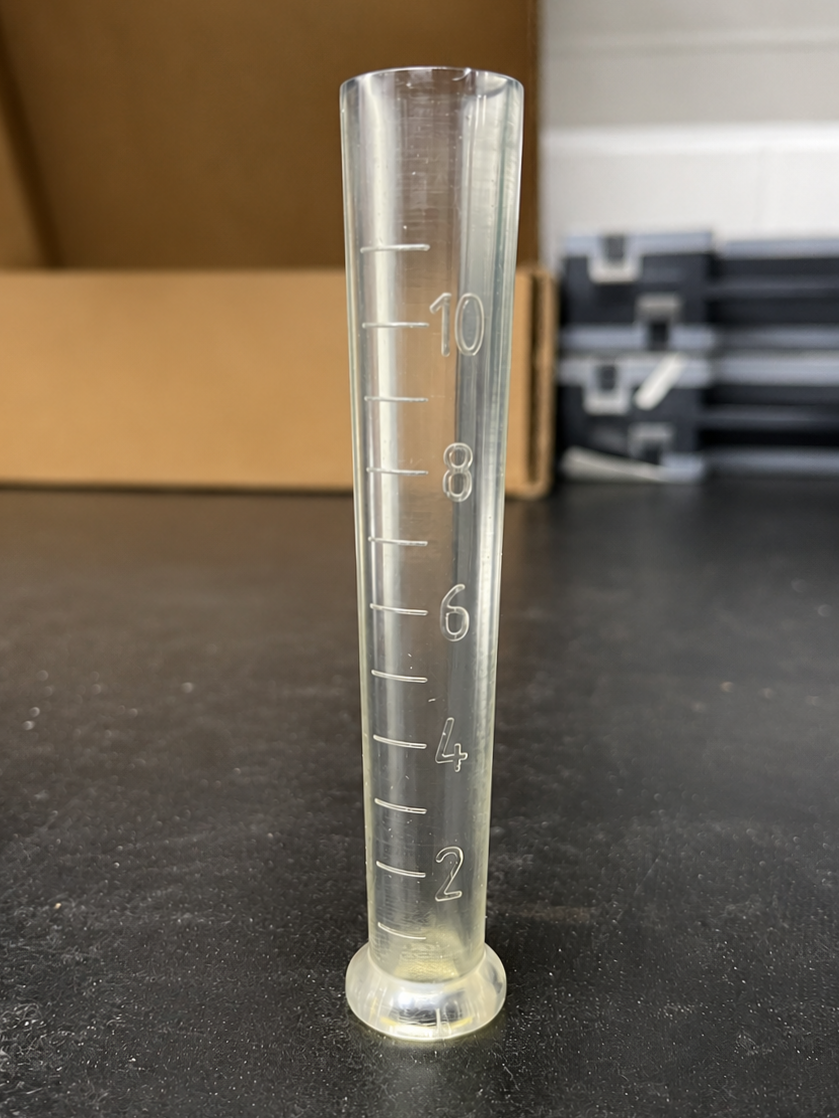
This transparent flow meter was engineered specifically for SLA printing to achieve the dimensional accuracy, fine integrated markings and surface quality required for a transparent functional component.
CAD rendering demonstrating fine details
Optimised build orientation
Original (left) / reproduced SLA component (right)
Finished polished component
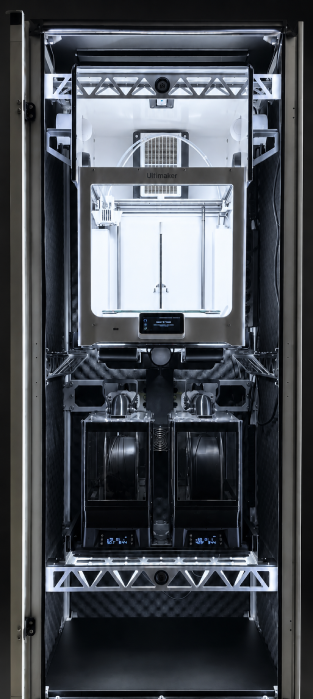
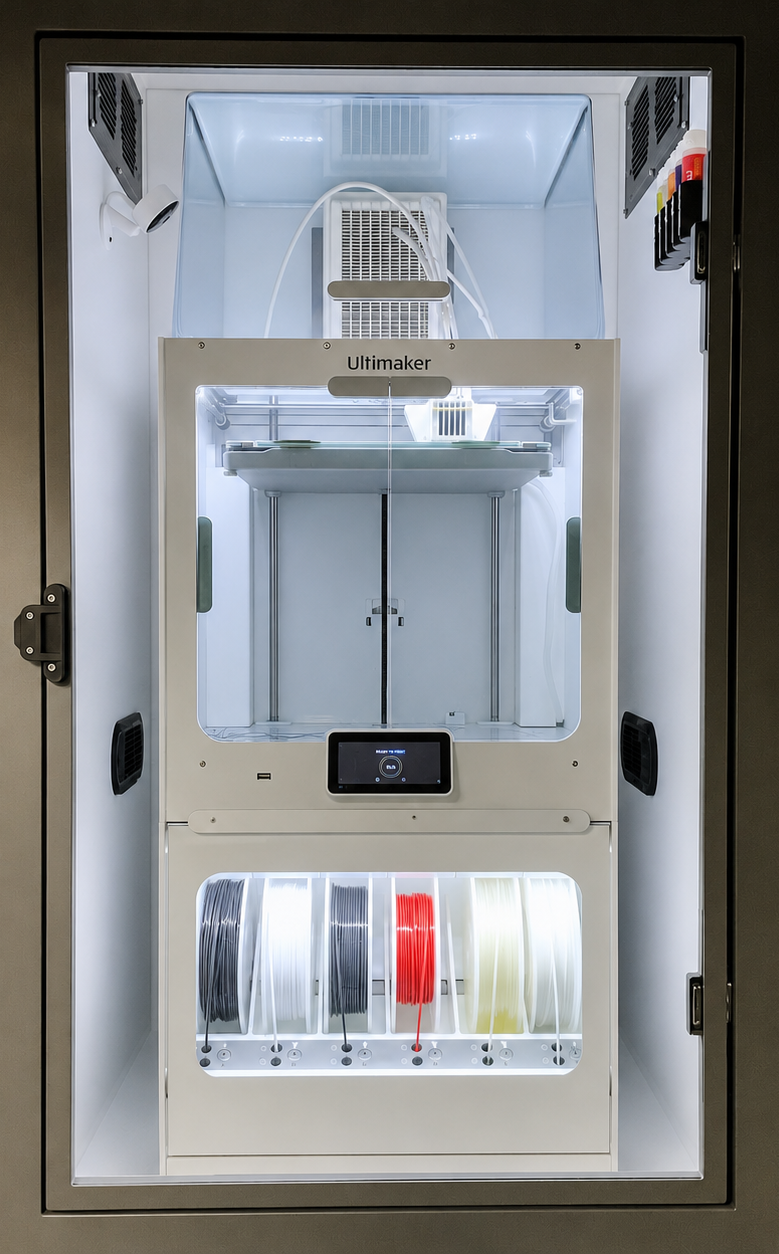
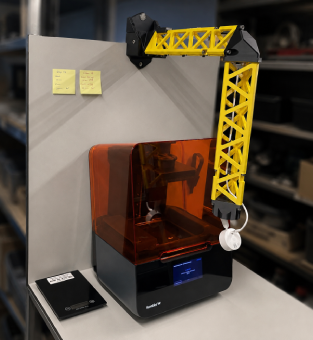
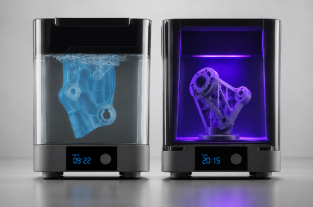
The following printing systems support a wide range of materials, component sizes and applications, whether manufacturing engineered components or customer-supplied designs.